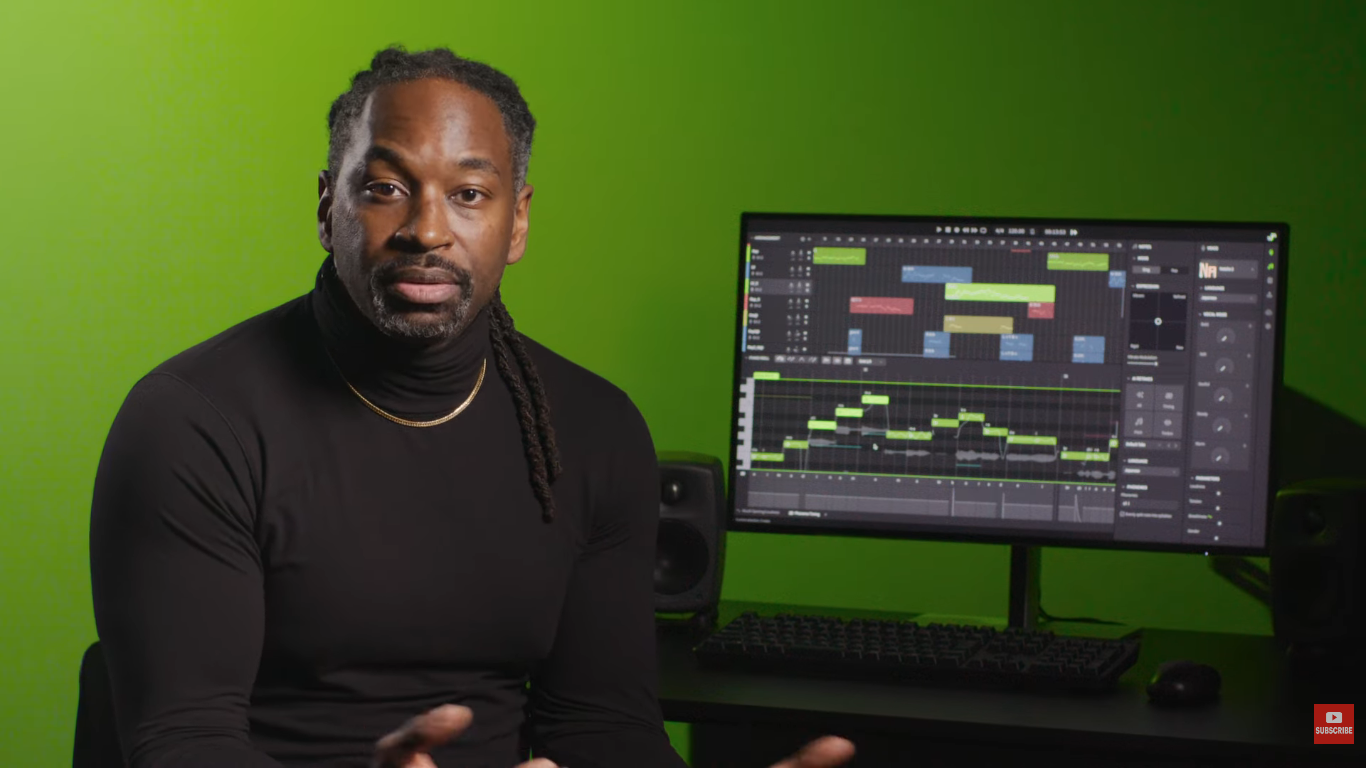


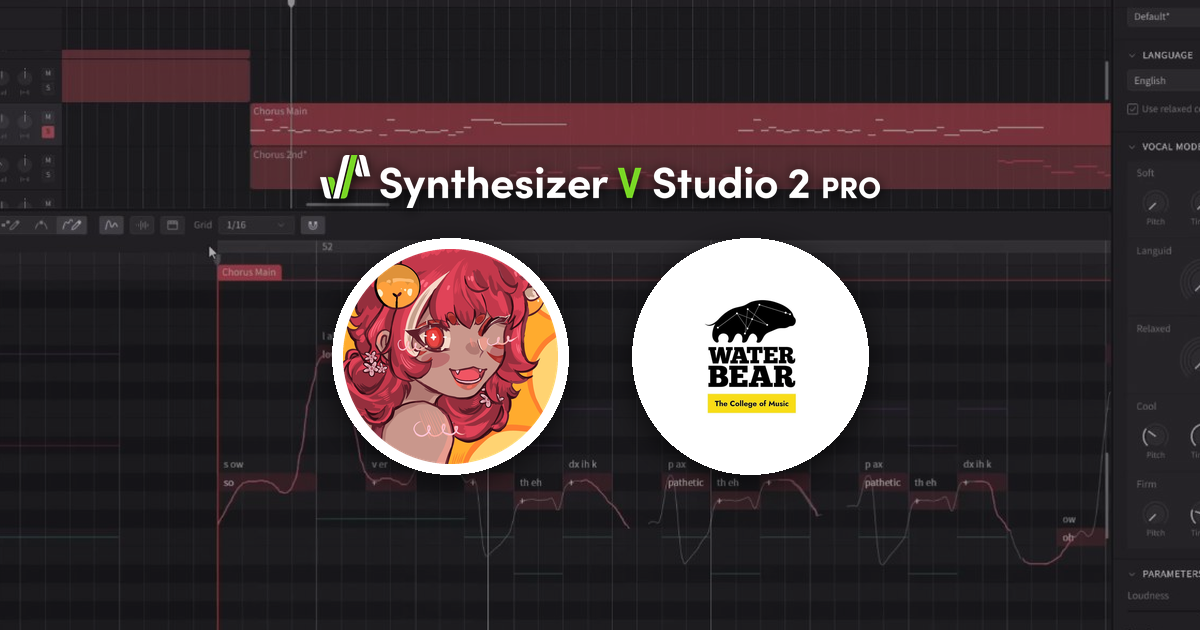

Vocal synthesis is finding its way into music education, and not just as a novelty. At WaterBear – The College of Music, graduating student Crossi-P made Synthesizer V Studio 2 Pro the centerpiece of his dissertation and Final Major Project, exploring how vocal synthesizers and real-life singers can exist in the same creative space.
His research question is one that resonates across the music industry: can vocal synthesis tools serve as genuine creative instruments without replacing the artists behind them?
A Real Project, Built in Synthesizer V Studio 2 Pro
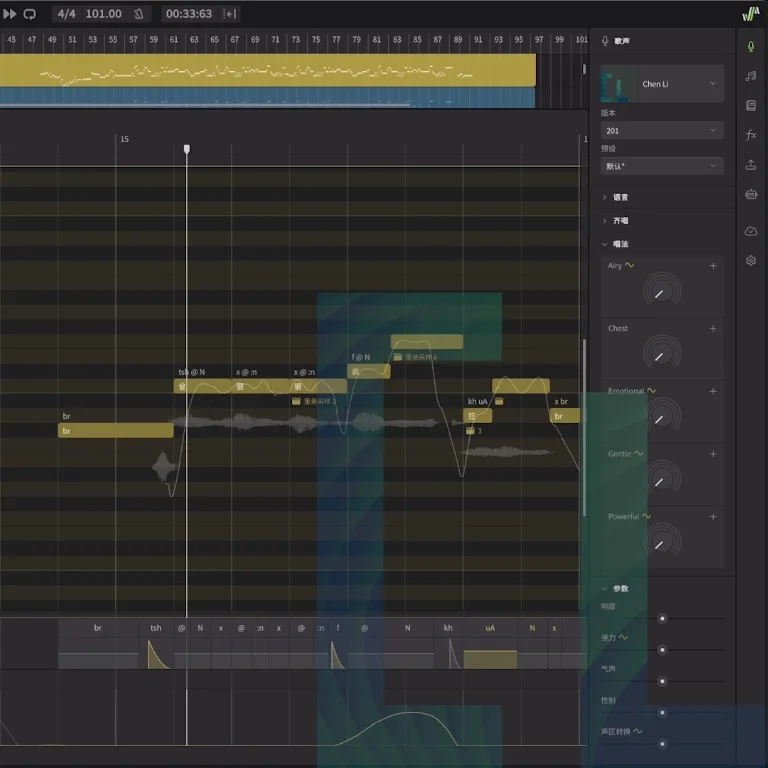
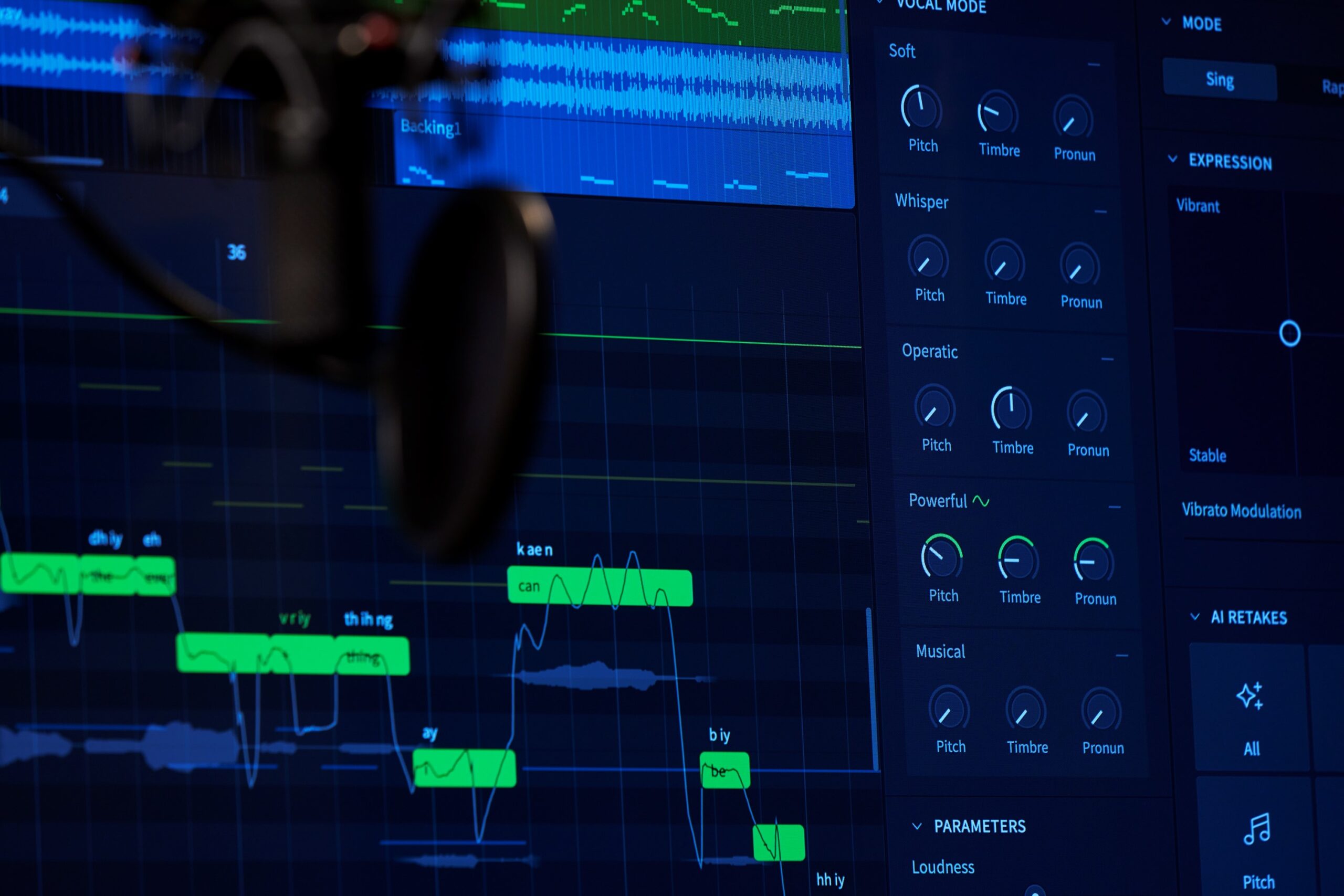
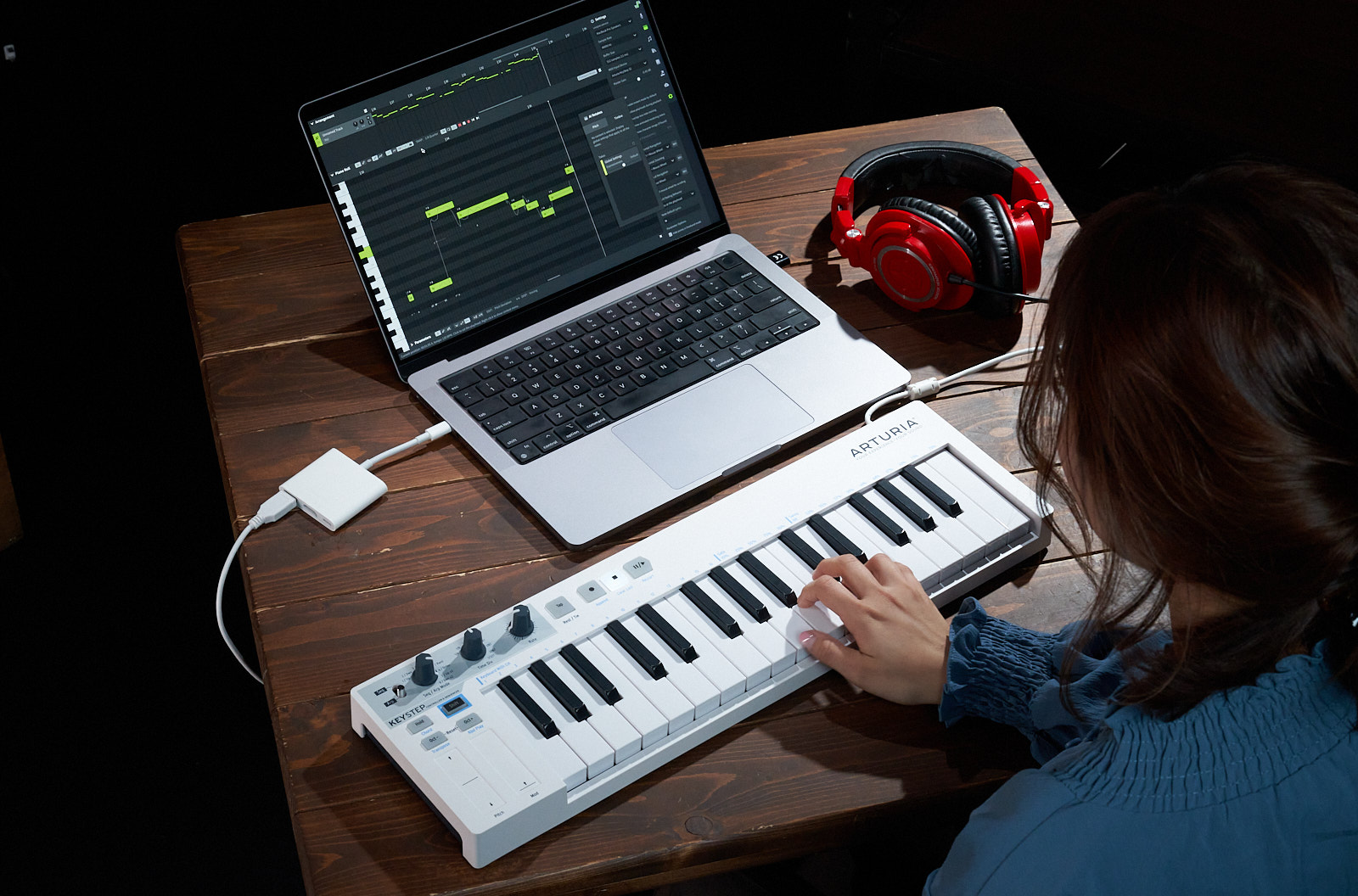
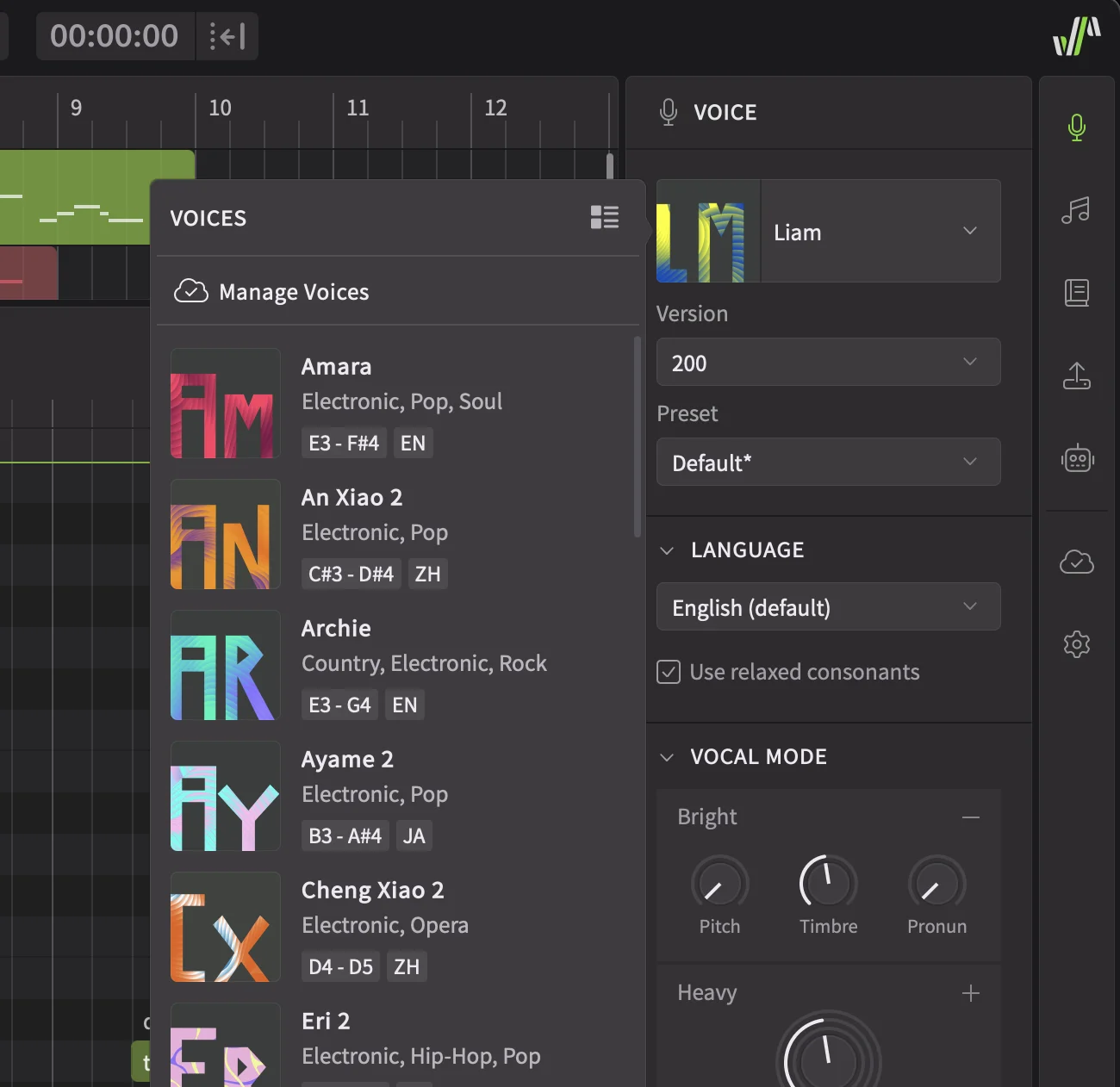
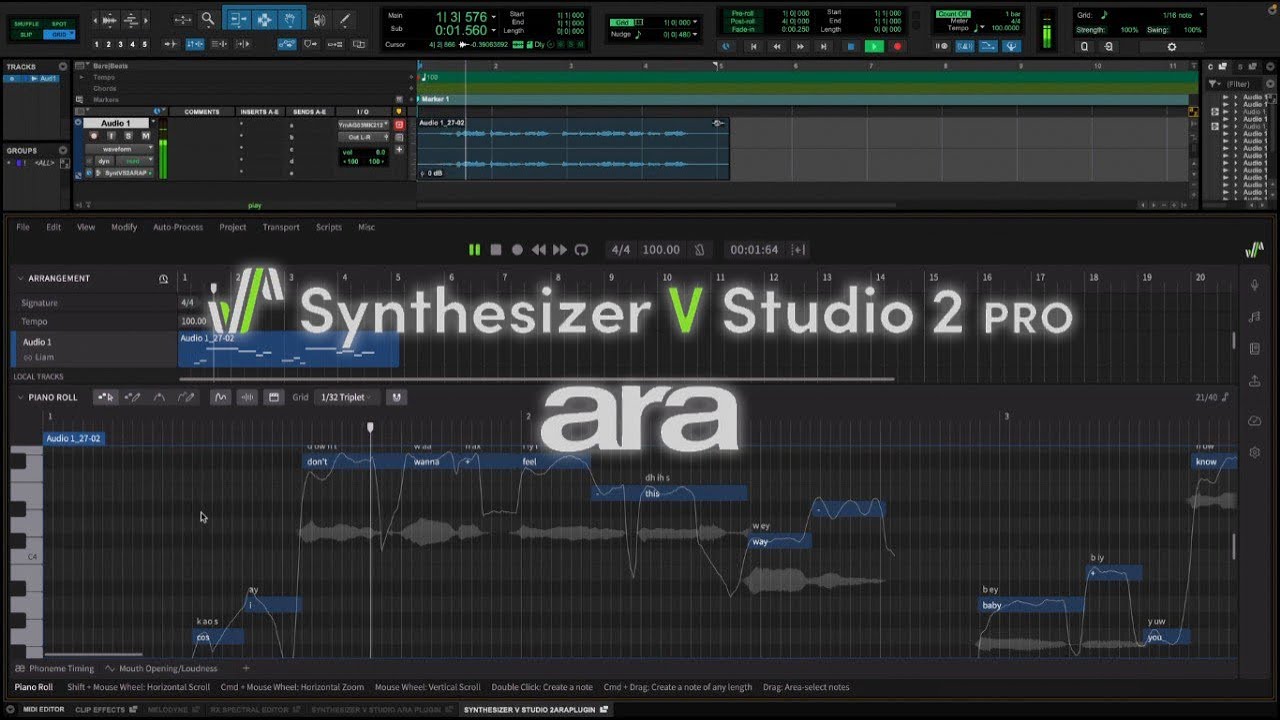
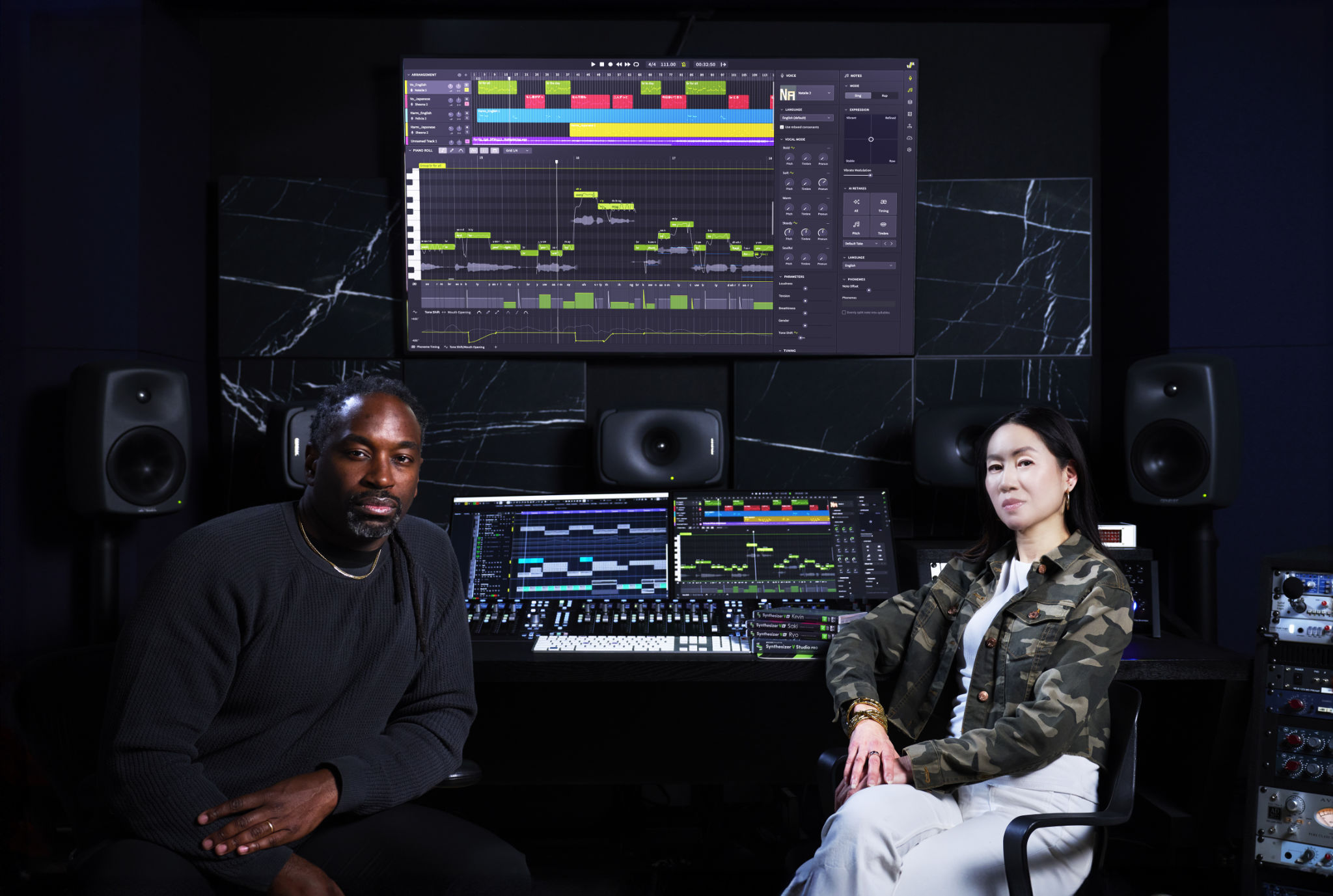
For his project, Crossi-P composed an original song called “Lover Apathetic” and documented his entire production process on video. Working in Cubase, he built the instrumental, exported the MIDI, and brought it into Synthesizer V Studio 2 Pro to begin writing and refining the vocal performance.
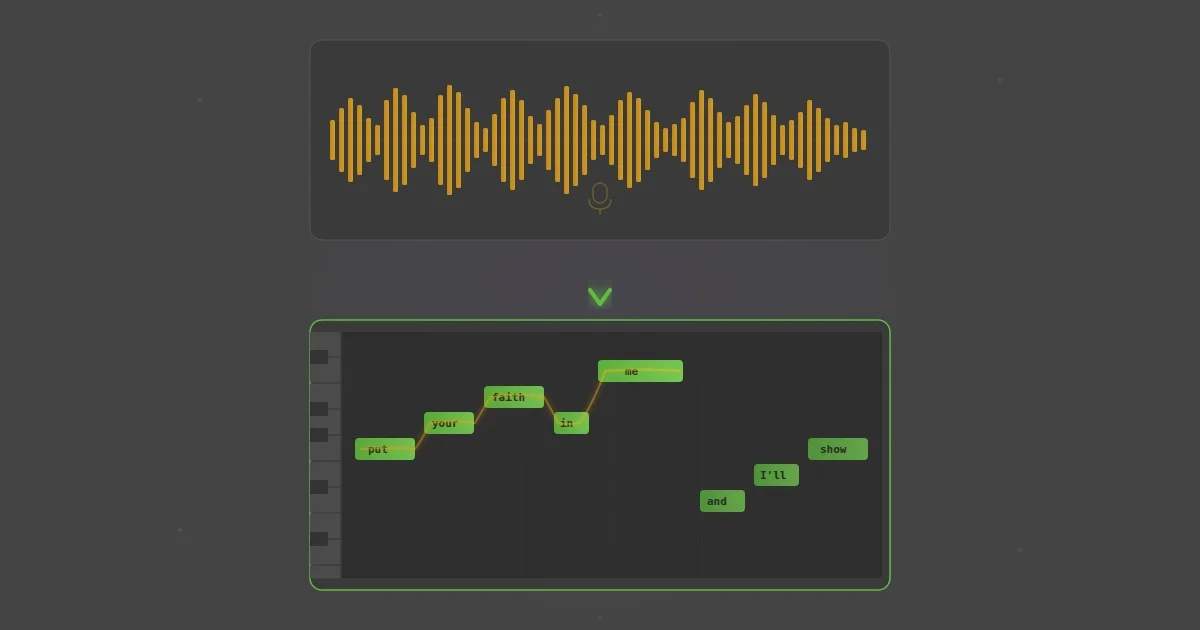
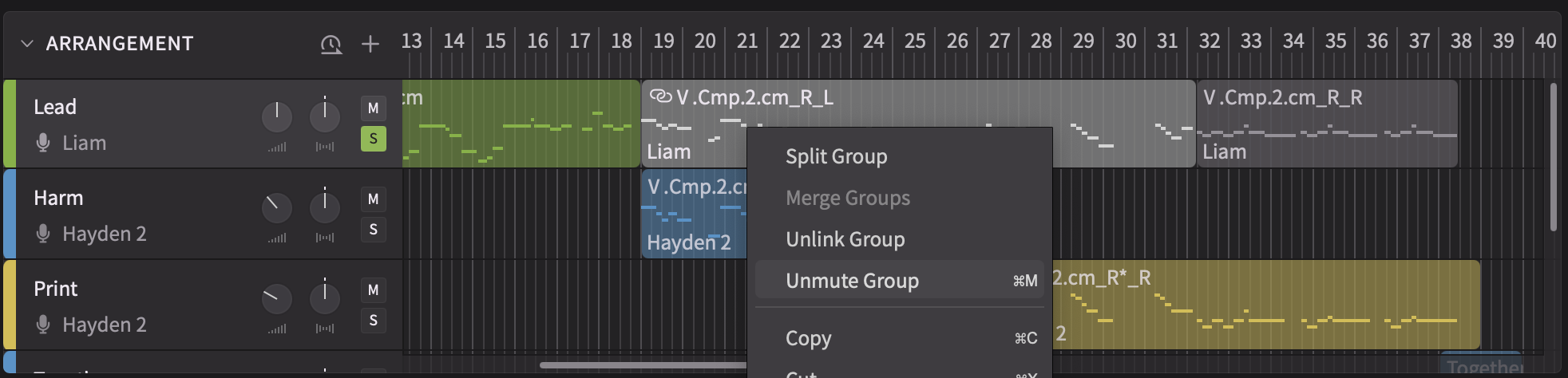
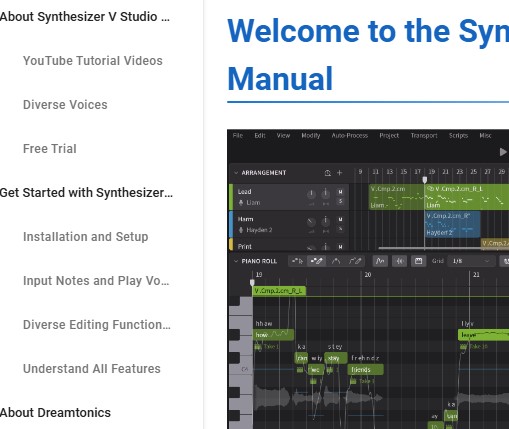
His workflow is a practical example of how vocal synthesis fits into a modern production environment: sketching melodies, importing MIDI, writing lyrics, adjusting note timing and length, and then tuning the lead vocal before layering in harmonies.
“I made the melody in Cubase and I dragged out the MIDI and brought it into Synthesizer V, and then started adding some lyrics,” Crossi-P explains in the video. The result is a polished vocal arrangement that sits naturally alongside the backing track he produced.
Vocal Synthesis as a Songwriting and Production Tool
What makes this project especially relevant is its academic framing. Crossi-P’s dissertation examines the development of modern vocal synthesizers, their increasing use in Western music production, and the ethics of how AI-driven vocal synthesis works, specifically around voice provider rights and privacy.
This reflects a growing recognition in music education that vocal synthesis is not simply an effects tool or a curiosity. For songwriters without access to a session vocalist, for producers prototyping vocal arrangements, and for composers developing demo material, Synthesizer V Studio 2 Pro offers a level of creative control that can meaningfully improve the writing process.
As Crossi-P notes, he also uses Synthesizer V Studio 2 Pro to create vocal demos for real singers to perform, demonstrating exactly the kind of collaborative workflow his research explores: synthesis and human performance working together, not in competition.
Ethics at the Core
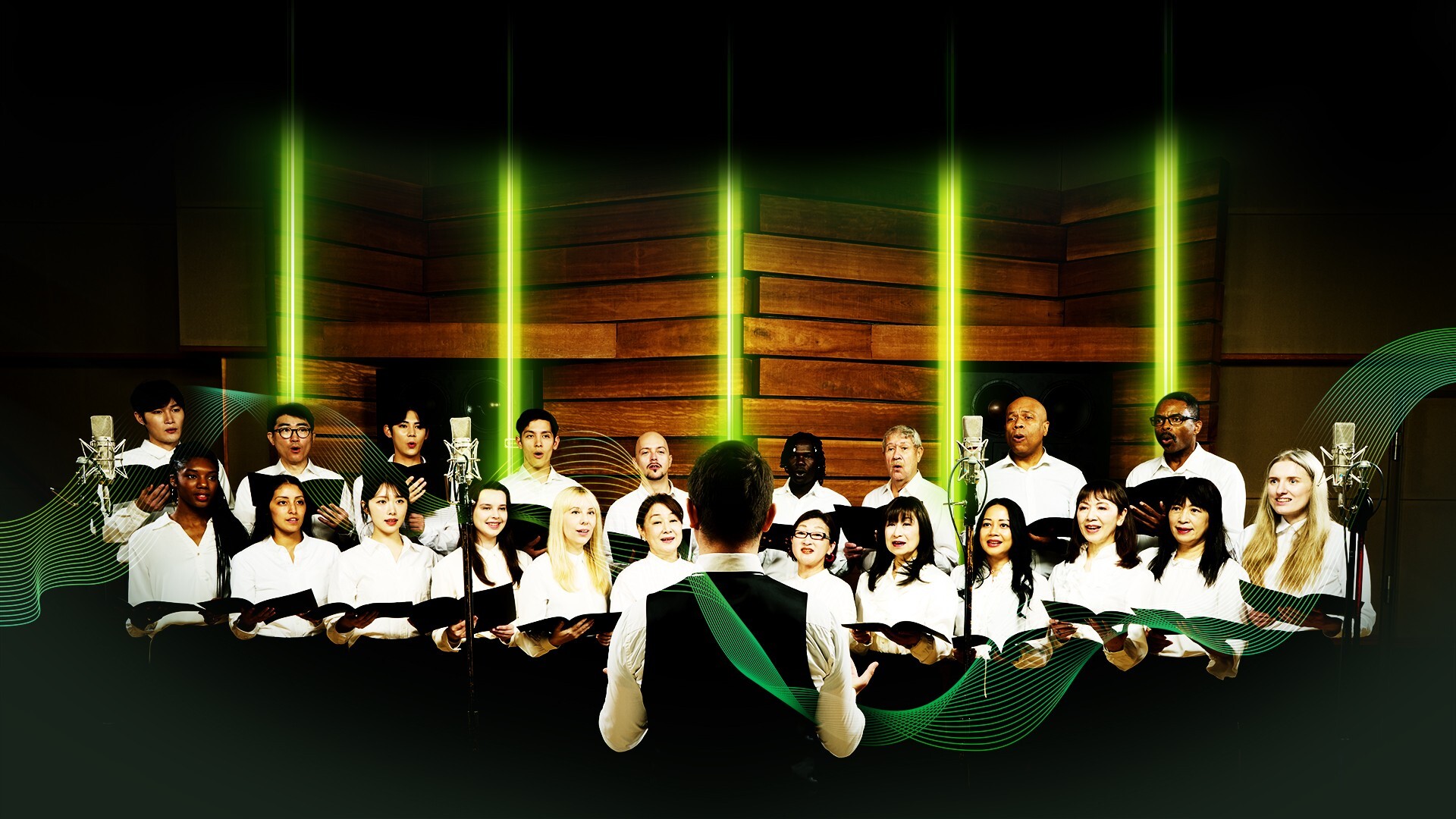
A central theme of Crossi-P’s dissertation is the ethical dimension of vocal synthesis technology. Dreamtonics shares this commitment. All voices for Synthesizer V Studio 2 Pro are created using licensed recordings from professional singers who have given informed consent. Artists are properly credited and compensated, and Dreamtonics strictly prohibits the use of unauthorised voice data.
This approach ensures that vocal synthesis remains what it should be: a creative instrument built on a foundation of respect for the artists whose voices make it possible.
Synthesizer V Studio 2 Pro in the Classroom
Dreamtonics offers a 50% educational discount for Synthesizer V Studio 2 Pro for qualified schools, teachers, and students. Whether the goal is vocal arrangement, songwriting, music production, or research into the technology itself, Synthesizer V Studio 2 Pro provides the tools for students to explore vocal synthesis with professional-grade precision.
For more information on the educational discount, visit this page.